

📋 Get the Free Event Planning Checklist
Free Chicago Event Planning Checklist
Everything you need to plan a seamless event. Enter your info below.

Most wedding venues give you white walls or exposed brick and call it a day. You’re expected to bring in florals, draping, and lighting to create visual interest. By the time you’re done, you’ve spent thousands just to make the space look like something.
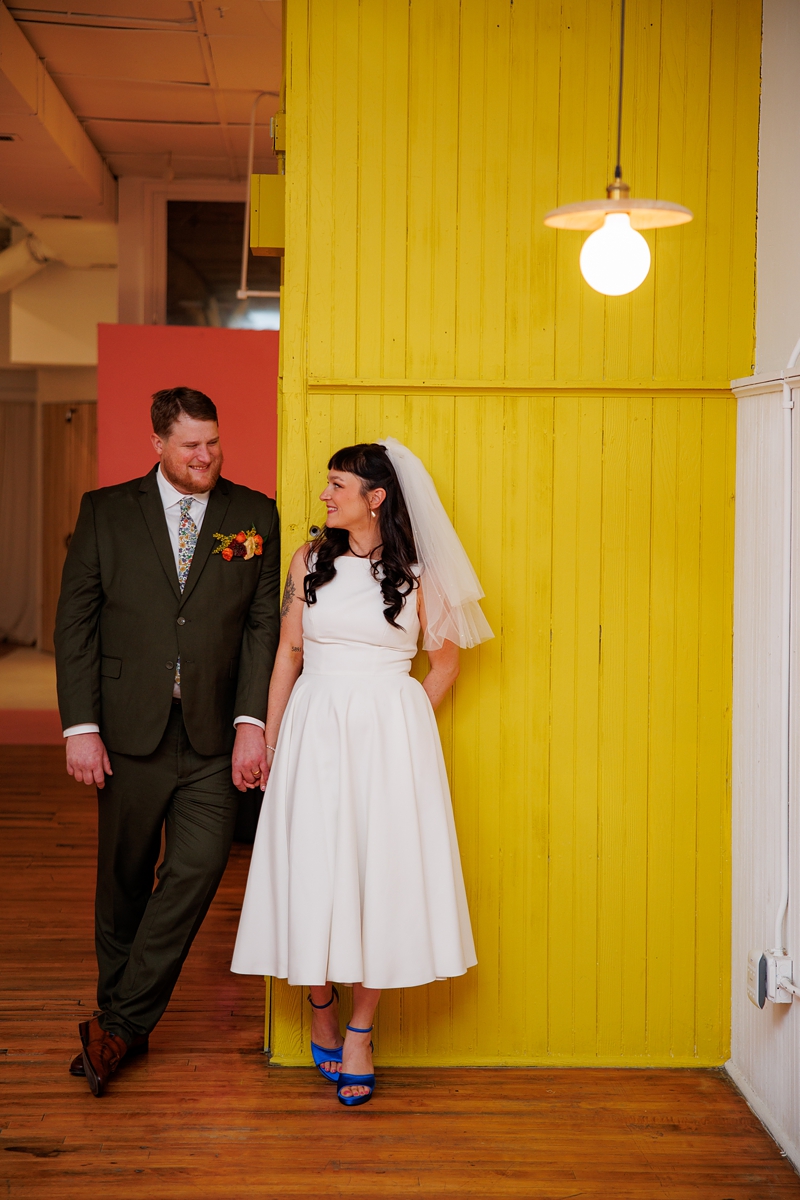
We designed Le Loft differently. The color-blocked walls aren’t décor you can take down. They’re the architecture. And they do something most couples don’t realize until they see their wedding photos: they turn every frame into something that looks intentional, artistic, and composed.
What Color Blocking Actually Does in Photos
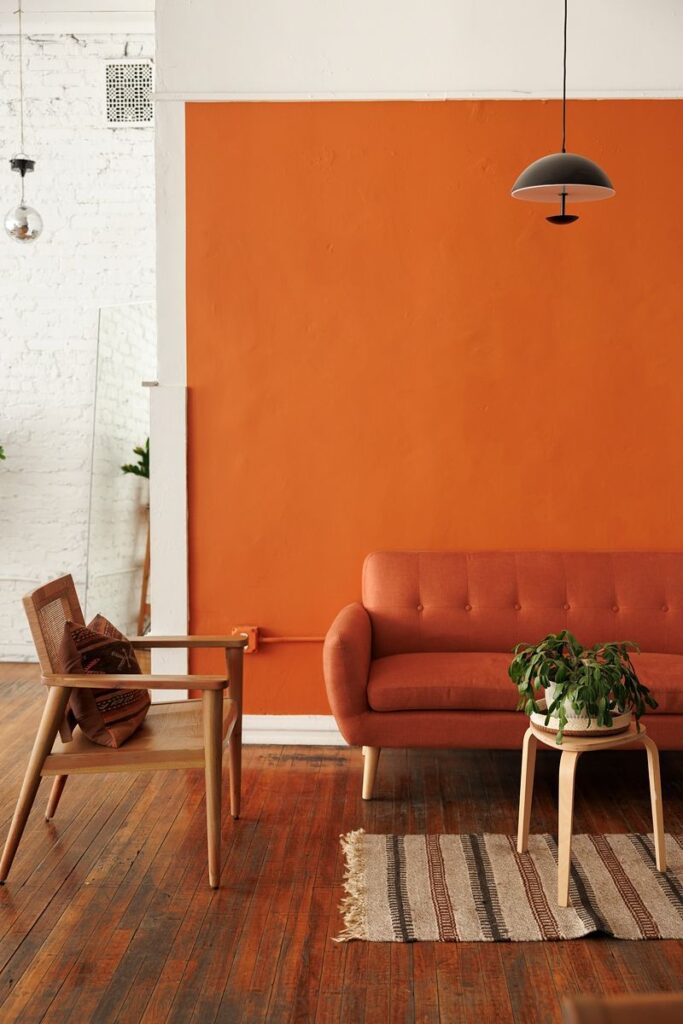
Luis Barragan, the Mexico City architect who influenced our design, understood that color isn’t decoration. Its structure. He used vibrant pigments in large, intentional blocks to create rooms that felt alive without needing anything else.
We applied that same thinking to this converted factory space. The East Side uses natural tones. The West Side has deeper, warmer colors. Both sides have clean lines and minimal clutter. When your photographer frames a shot, the color blocking creates layers and depth automatically.
You’re not standing in front of a blank wall hoping your dress provides enough visual interest. You’re positioned against a backdrop that already has dimension. The photographer composes the shot using the color blocks the same way they’d use light and shadow. Your photos have structure built in.
Your Photographer Works With the Architecture, Not Against It
In most venues, photographers are constantly hunting for usable spots. The ballroom chandelier is too busy. The carpet pattern is distracting. The wall color clashes with the bridesmaids’ dresses. They end up shooting tight to avoid showing the space, or they drag you outside for every decent portrait.
Here, the walls work. The color blocks frame people naturally. Your photographer can shoot wide and include the architecture because it adds to the composition instead of detracting from it.
The East Side’s natural tones create calm, modern portraits. Light and airy. Perfect for getting ready shots in the Bridal Suite or ceremony moments when you want that soft, editorial feel.
The West Side’s deeper colors add warmth and drama. Your first dance photos have richness without needing colored gels or special lighting. The walls do that work.
The Color Blocks Change How Light Behaves
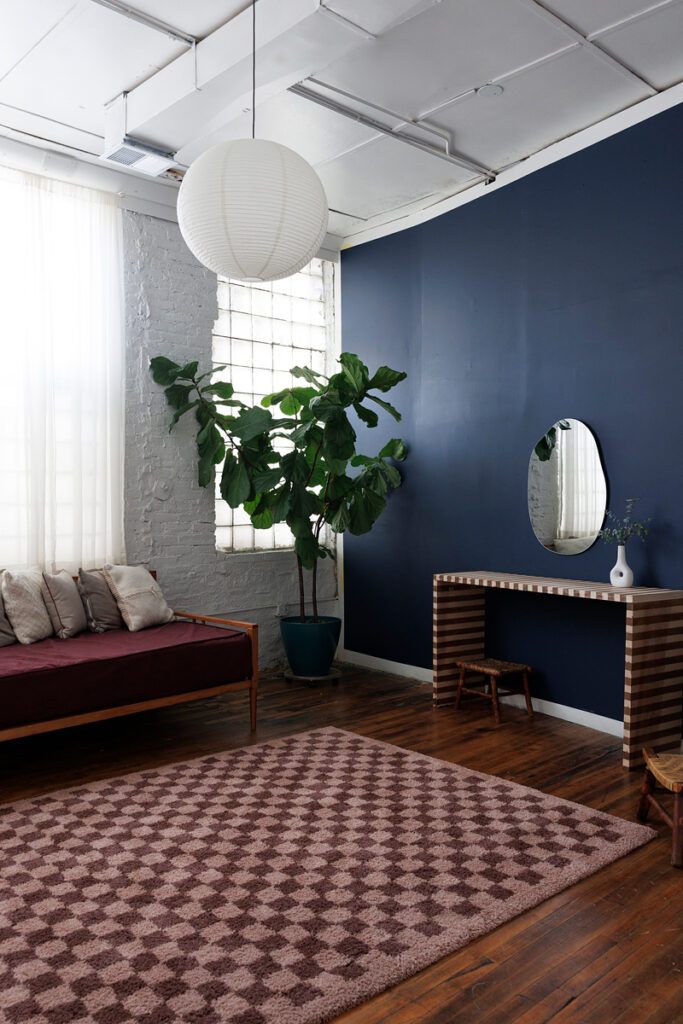
Color blocking isn’t just about aesthetics. It affects how light moves through the space. Different colors absorb and reflect light differently. The way natural light from our floor-to-ceiling factory windows hits the color-blocked walls creates gradients and tonal shifts throughout the day.
Morning light on the East Side feels fresh and clean. Afternoon light on the West Side gets warmer and more saturated. Evening light during your reception creates entirely new color relationships. Your photographer captures these shifts without adding artificial lighting.
That variety matters when you’re looking at your full gallery. The ceremony photos don’t look identical to the cocktail hour shots, even though they’re in the same building. The space itself evolves visually as the day progresses.
You Don’t Need to Cover the Walls
Some couples walk into venues with beautiful architectural features and immediately start planning how to hide them. The columns need draping. The walls need fabric panels. The ceiling needs something hanging from it.
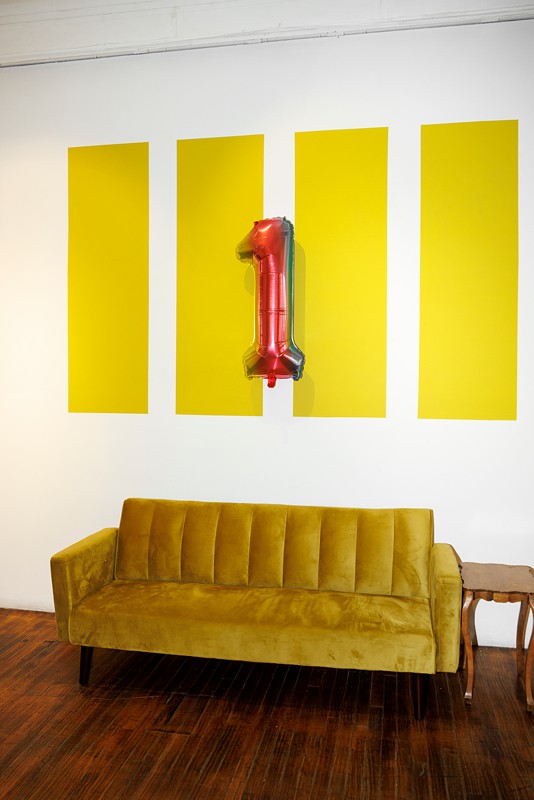
Our color-blocked walls are designed to be seen. They’re part of the appeal. When you bring in florals from Pulp or Fieldman + Flora, you’re adding to the existing design, not compensating for bad design.
That changes your budget. You’re not spending money to transform the space. You’re spending money to personalize it. A single statement floral installation looks incredible against the color blocks because there’s already visual interest behind it. You don’t need florals everywhere to make the room feel complete.
Your photographer captures those florals with the color-blocked walls providing depth. The installation becomes part of a larger composition instead of fighting for attention against a generic white wall.
The Minimalist Design Lets Your People Stand Out
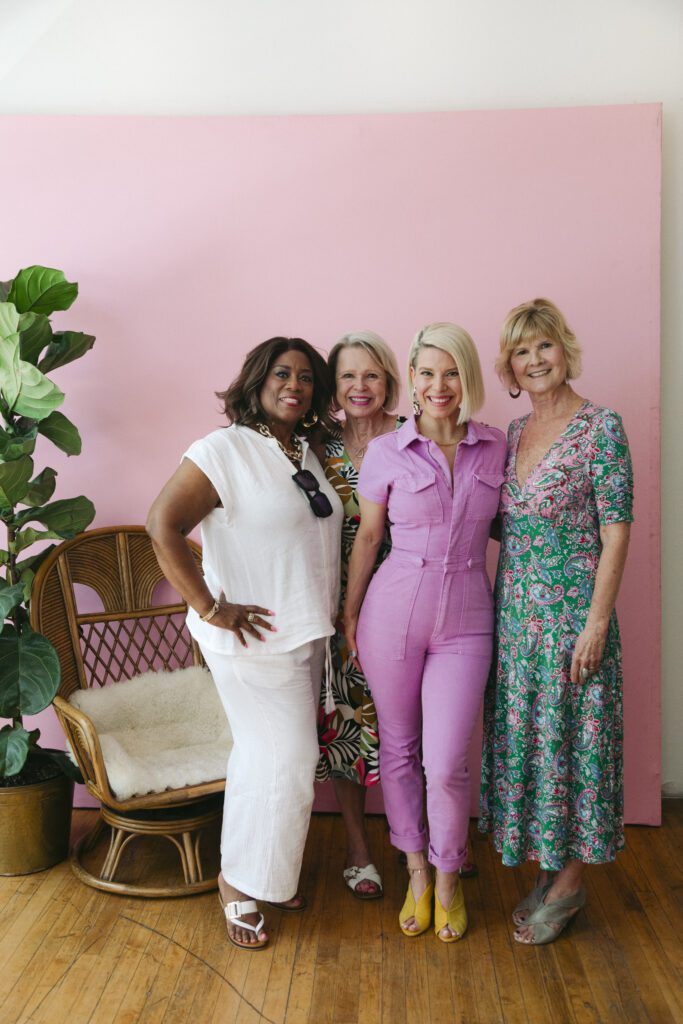
Gallery-quality photos have something in common: they’re composed, not cluttered. The subject is clear. The background supports the subject without overwhelming it.
Color blocking creates that clarity. The walls have visual interest, but they’re not busy. There’s no pattern competing for attention. No ornate molding. No wallpaper. Just clean blocks of color that give your photographer defined zones to work with.
When you look at a portrait taken against our color-blocked walls, you see the person first. The background adds depth and context without stealing focus. That’s intentional design working the way it should.
The same thing happens in group shots. Your family photos, your wedding party portraits, they all benefit from backgrounds that are interesting but not distracting. The color blocks frame the people without demanding equal attention.
Two Distinct Color Palettes Give You Range
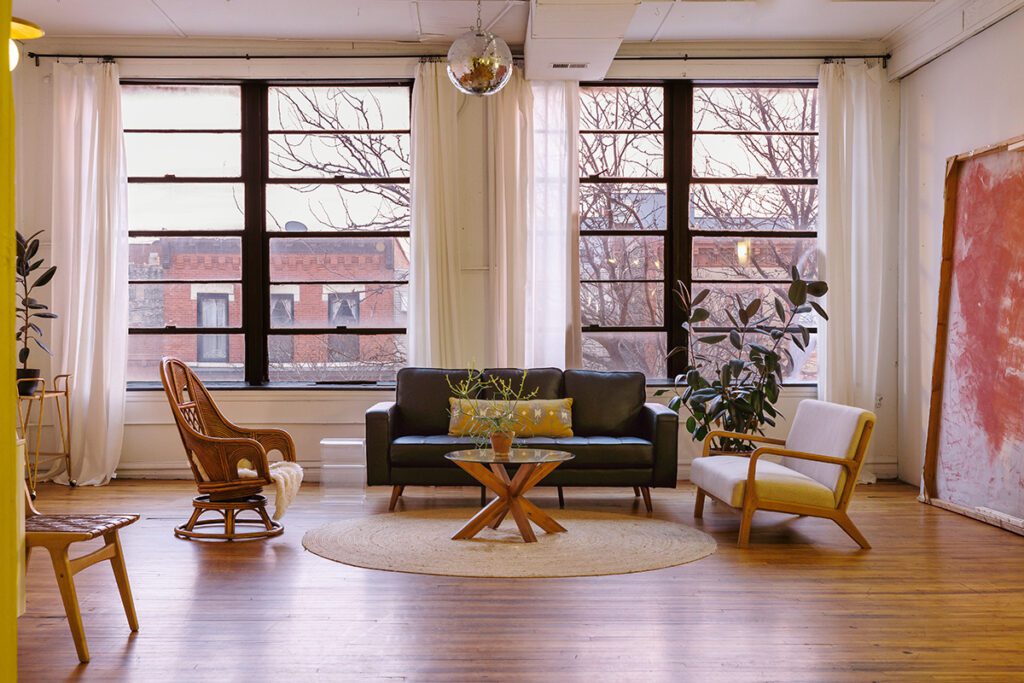
The East Side and West Side aren’t just different sizes. They’re different moods. We separated them with barn doors specifically so you’d have options.
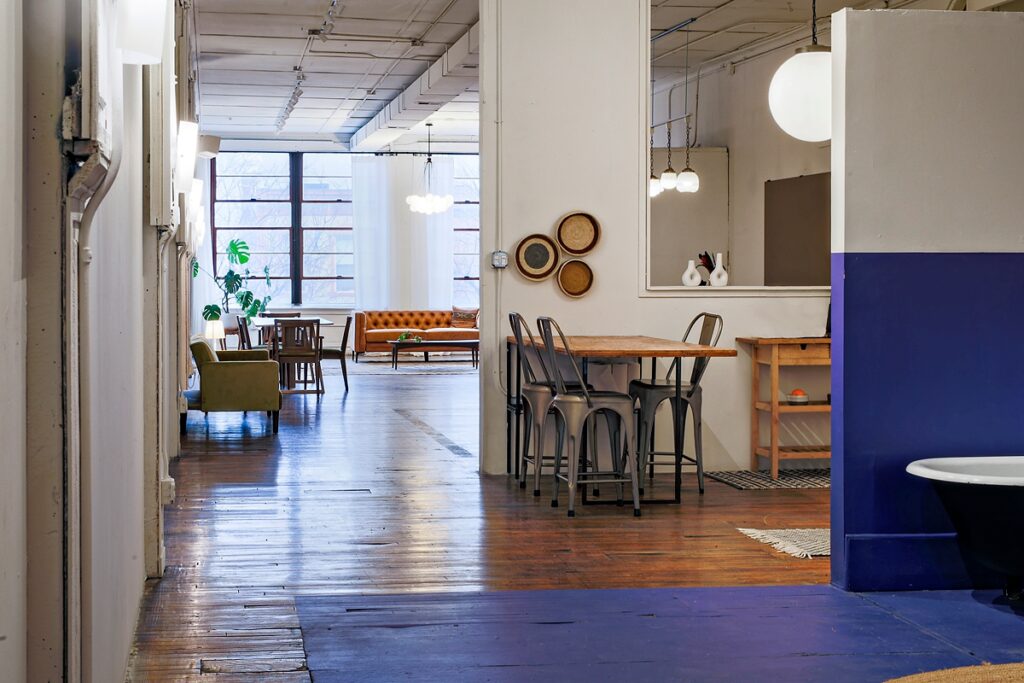
East Side portraits during the day have a completely different feel from West Side reception photos at night. Your photographer isn’t working with one look for eight hours. They’re working with two distinct environments that complement each other.
Some couples use the East Side for the ceremony and the West Side for the reception. The color shift marks the transition from formal to celebratory. Your photos tell that story visually without needing props or staging.
Others use one side for the main event and the Blue Disco Room as a third visual element. The disco ball adds texture and movement. It’s playful, where the main space is sophisticated. Your gallery has even more variety.
The Color Blocks Work With Any Style

You might think bold color blocking only works for modern, minimalist weddings. It doesn’t. The clean lines and intentional color create a foundation that adapts to whatever you bring in.
Traditional elegance works. The color blocks add a contemporary edge to classic styling. Your photos don’t look dated or overly formal.
Bohemian loose and natural also works. The structured background balances out organic florals and flowing fabric. Your photos have grounding that keeps them from feeling too soft or undefined.
Cultural celebrations with vibrant colors and detailed decorations work especially well. We’ve hosted Indian, Nigerian, and Hispanic weddings where the color-blocked walls complemented the richness of traditional attire and décor. The walls don’t compete. They enhance.
Your Photos Look Curated Without Trying
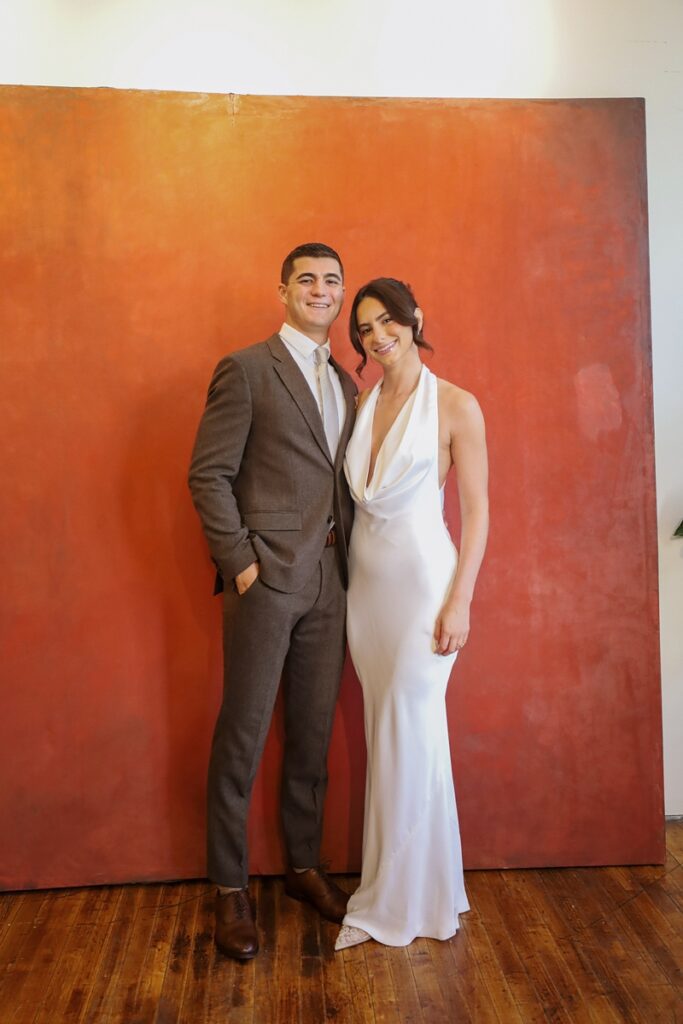
When people scroll through wedding galleries online, most photos blend together. Generic venue, predictable poses, nothing that makes you stop and look twice.
Photos taken at Le Loft look different. The color blocking gives them a signature. People recognize the aesthetic. It reads as intentional, artistic, and thought through. Even candid moments feel composed because the background is already doing half the work.
That’s what Luis Barragan understood. Good architecture creates good photos without effort. You’re not staging elaborate setups or spending hours on styled shoots. You’re letting the space do what it was designed to do.
How to Use Color Blocking to Your Advantage
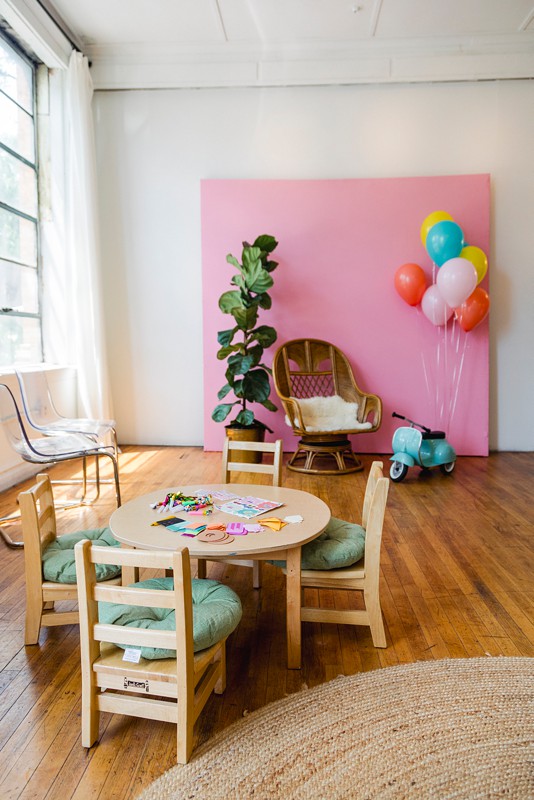
If you’re planning your wedding here, think about how your choices interact with the existing colors. You don’t need to match them exactly. You need to work with them.
Florals in complementary or contrasting colors both work. A soft palette against the deeper West Side walls creates a beautiful contrast. Bold colors against the natural East Side tones make a statement. Your florist can guide you, but the walls are forgiving either way.
Your wedding party attire shows up differently depending on which side you’re using for portraits. Lighter colors pop against the West Side. Deeper colors look elegant against the East Side. Talk to your photographer about where they’ll shoot which groups.
Lighting also matters. Our uplights are included, and they can shift the color temperature in the space. Evening reception lighting against the color blocked walls creates an entirely different mood from afternoon natural light. Your photographer captures both, and your gallery reflects that range.
What Photographers Actually Say
Photographers who’ve shot weddings here tell us the same thing: the space makes their job easier. They’re not fighting bad backgrounds or searching for the one decent corner. They’re composing with the architecture.
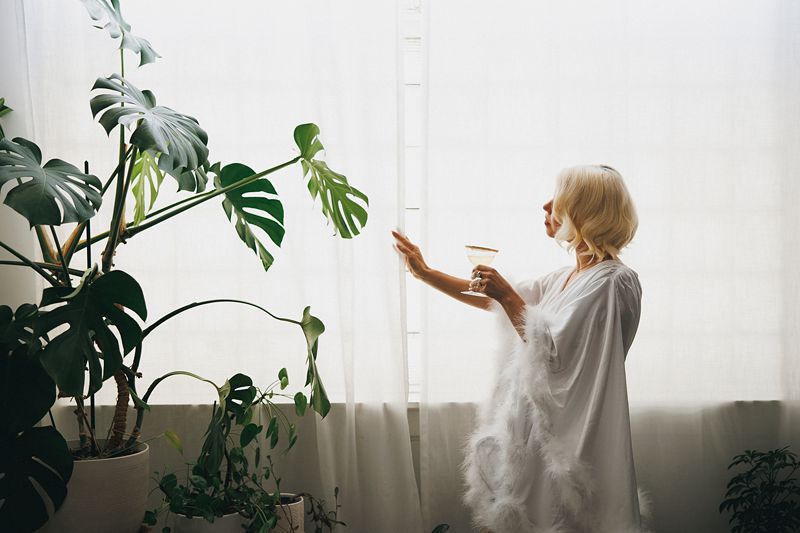
The color blocks give them clean frames. The natural light from the factory windows provides illumination without harshness. The two sides offer variety without requiring the couple to leave the venue. Everything they need is already here.
We offer photography as an add on service if you need someone who already knows how to work the space. But we also welcome outside photographers through our open vendor policy. Either way, photographers consistently deliver galleries that look elevated because the foundation is strong.
Conclusion:
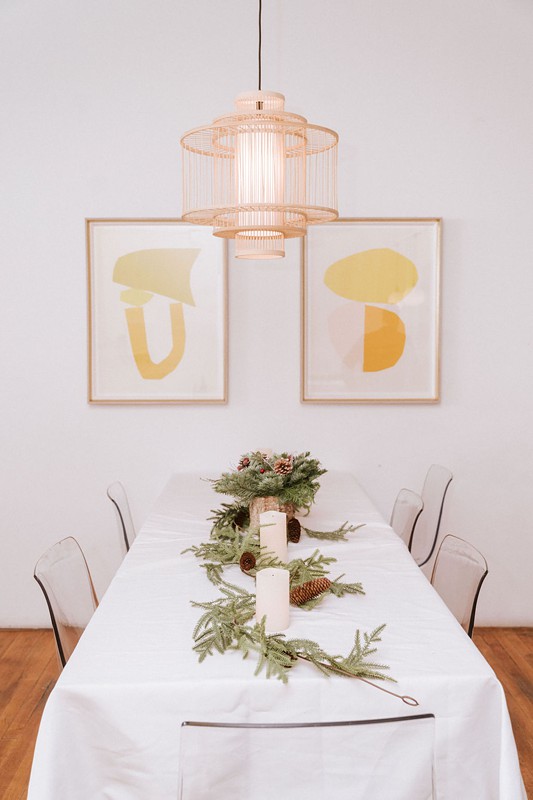
Design trends change. Color palettes that feel current today look dated in five years. But architectural color blocking has been around since Barragan’s work in the mid 20th century, and it still looks modern.
When you look at your wedding photos 20 years from now, the color blocked walls won’t scream a specific era. They’ll read as intentional design that was thoughtful then and remains thoughtful later.
That’s the difference between decorating a space and designing one. Decoration ages. Design endures. We built Le Loft with that in mind.
See how color blocking works in person. Call (872) 221-2441 or check our wedding pricing guide for availability.
FAQs
Do the color blocked walls clash with certain wedding colors?
No. The East Side uses natural tones that work with any palette. The West Side has deeper colors that complement both soft and bold choices. Photographers use the walls to create contrast or harmony depending on your styling.
Can we bring in our own décor and florals?
Yes. We’re DIY friendly with an open vendor policy. The color blocks give you a foundation to build on, not limitations to work around. Bring in florals from Pulp, Fieldman + Flora, or your own florist.
Which side photographs better for portraits?
Both sides work well. The East Side gives you bright, airy, modern portraits. The West Side gives you warm, dramatic, saturated tones. Most photographers use both throughout the day.
Does the color blocking only work for modern weddings?
No. We’ve hosted traditional, bohemian, and cultural weddings. The clean lines and intentional color adapt to your style instead of dictating it.
Le Loft Chicago · Wicker Park
Thinking about hosting an event at Le Loft?
4,800 sq ft of converted factory space in Logan Square / Wicker Park. Flexible pricing, open catering, BYOB, and no boring conference rooms.