

📋 Get the Free Event Planning Checklist
Free Chicago Event Planning Checklist
Everything you need to plan a seamless event. Enter your info below.

How to Host a Brand Event in Chicago That’s Actually Photogenic
A brand event has one job in the room and another job online. If you only nail one, you’re leaving value on the table. Here’s how to do both — with intention, not overcorrection.
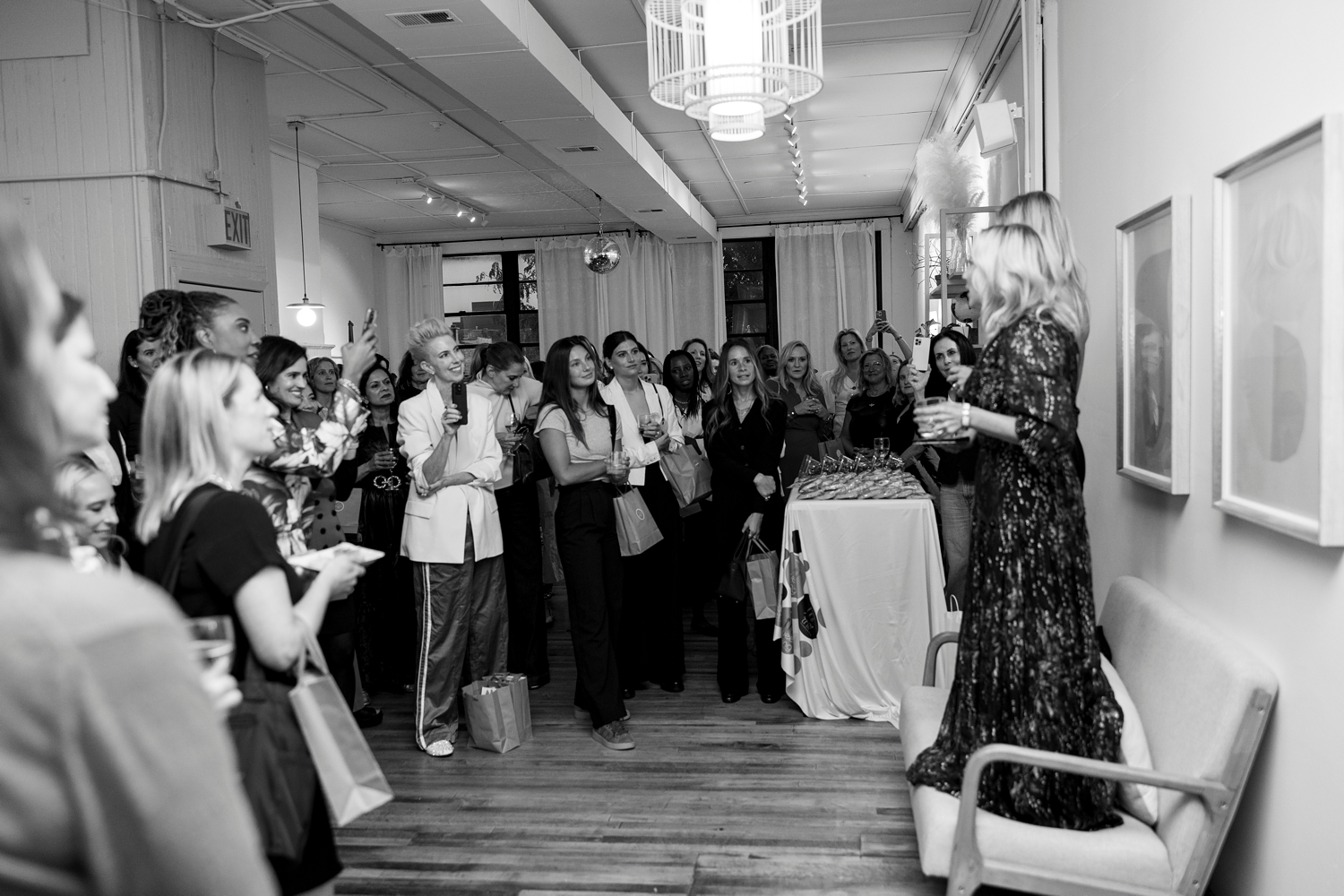
Chicago doesn’t reward events that try too hard. Wicker Park, Bucktown, Fulton Market — the neighborhoods that matter here have enough genuine character that guests can clock inauthenticity immediately. The best brand events we’ve hosted at Le Loft aren’t the ones with the biggest budgets. They’re the ones with the clearest point of view.
Whether you’re planning a product launch, a media preview, an influencer dinner, or a client mixer, your venue and layout choices will account for most of how the event is experienced — and how it lives on after guests leave. Here’s how to think through it.
Step 01 — Start With the Visual Story
Know What You’re Communicating Before You Pick Anything Else
Before florals, signage, or anything on a mood board — get clear on what the event is supposed to feel like, not look like, but feel like.
The events that photograph and perform best aren’t the ones that try to cover every surface. They’re the ones that made a decision and committed to it. Ask yourself:
- Is the brand energy polished and quiet, or bold and maximalist? Both work — pick one.
- Are you trying to impress the press, creators, clients, or your own community?
- Should the room feel exclusive, intimate, buzzy, or relaxed?
- What’s the one shot you want every person in the room to post?
The answer to that last question should inform everything downstream — from how you position your product display to where you put the bar.
The best-performing brand events aren’t the most decorated ones. They’re the ones guests actually want to be inside.
Step 02 — Choose a Venue With Strong Bones
Let the Space Do the Heavy Lifting for your brand event venue
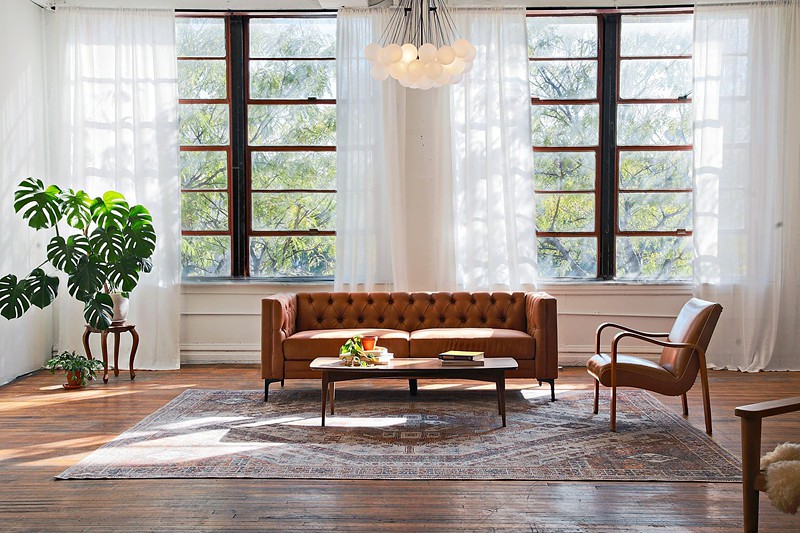
The venue does most of the visual work before a single decorator walks in. Choose a space with genuine character and you’re spending your budget on accents — not trying to fix something generic.
Le Loft is a 4,800 square foot converted factory in Wicker Park. Color-blocked walls inspired by architect Luis Barragán, hardwood floors, and floor-to-ceiling factory windows mean the space already has personality. You’re layering on top of that, not building from scratch.
Whatever venue you consider, look for:
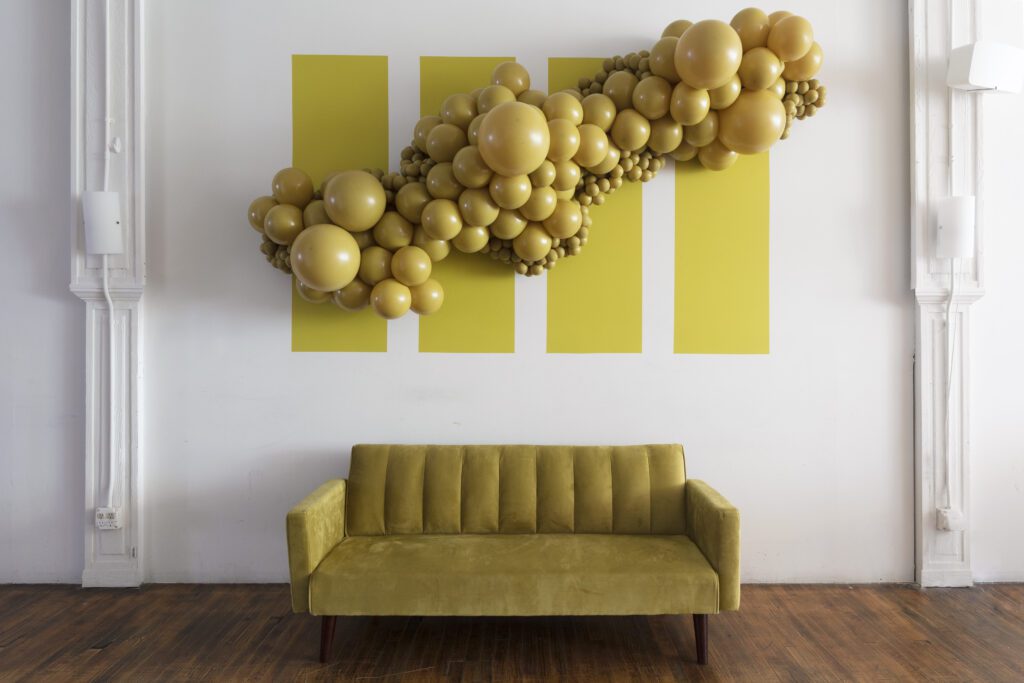
- Natural light — daylight is a photographer’s best tool and makes everything look editorial
- Distinctive architecture — exposed elements, interesting windows, genuine texture
- Flexible layouts — the space should shift to match your program, not the other way around
- Clean sightlines — long, open lines photograph wider and make a room feel more dramatic
- Room for moments to breathe — density kills photos; guests need space to gather and linger
Step 03 — Build Photo Moments That Feel Natural
The Instagrammable Era Is Over. This Is What Comes Next.
Neon signs every three feet. Flower walls that have been photographed 10,000 times. Branded confetti on every surface. Guests here have seen all of it and they’re over it.
Chicago’s creative and media crowd responds to spaces that feel intentional, not performative. Create natural reasons for guests to pick up their phones — don’t manufacture forced photo ops.
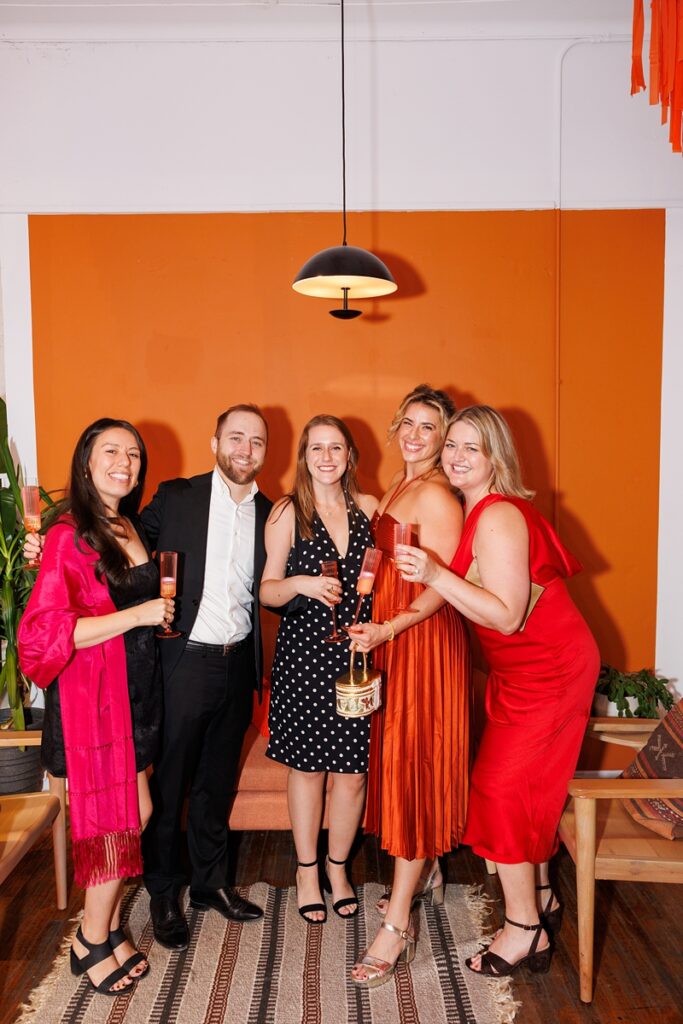
01
One strong branded backdrop instead of five scattered signs
02
A styled product display with intentional lighting and negative space
03
A bar setup with thoughtful, cohesive branding that holds up in photos
04
A lounge cluster with a deliberate color story that guests actually want to sit inside
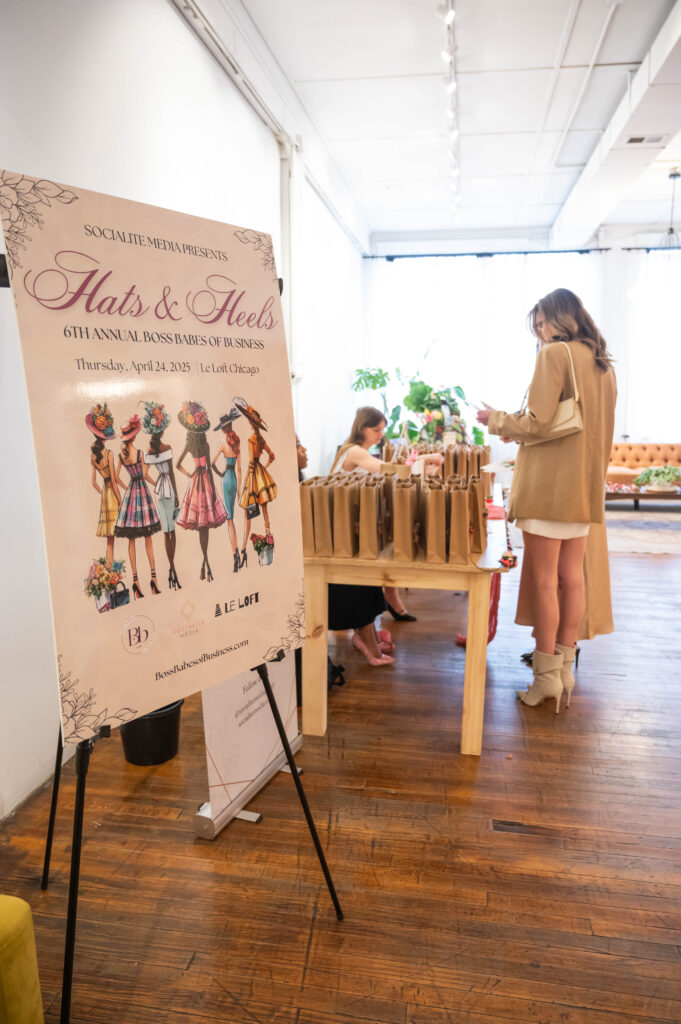
The welcome area sets the tone for everything. If a guest walks in and immediately thinks this is the vibe, you’ve already got the first five photos.
Step 04 — Think About Lighting Early
Lighting Is the Gap Between “Looks Elevated” and “Looks Dim.”
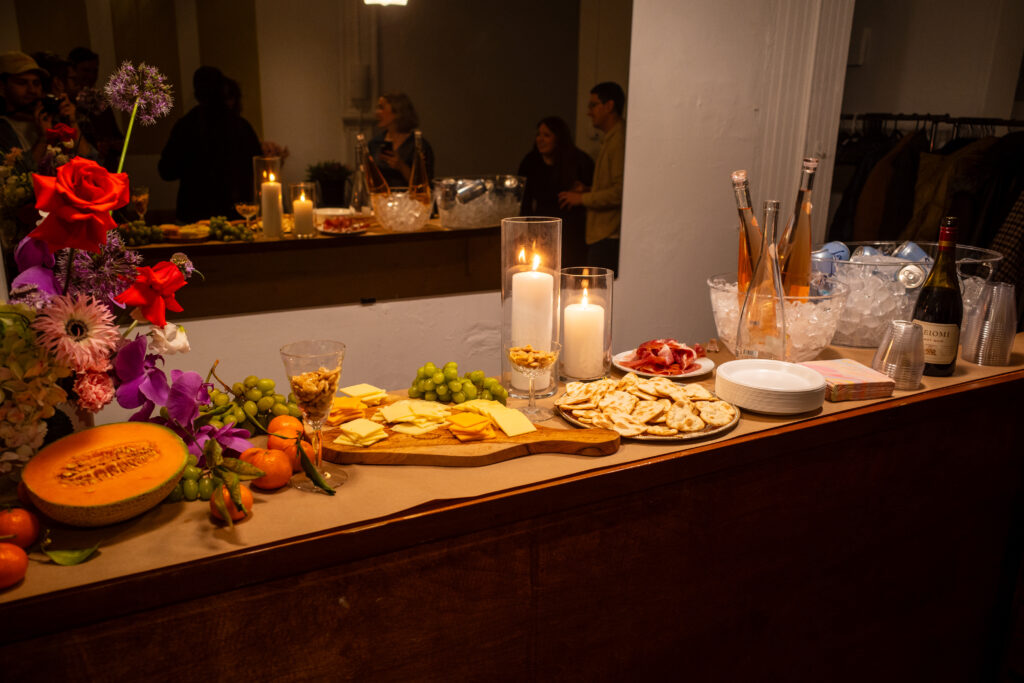
This is the detail that most planners leave too late. Lighting is the single biggest difference between events that read as elevated in photos and events that look flat, muddy, or strangely yellow.
- Keep your lighting temperature consistent throughout the space — mixing warm and cool looks chaotic in photos
- Use focused accent lighting on any display, product, or installation you want captured
- Avoid flat overhead lighting as your only source — it washes out faces and kills ambiance
- Talk through lighting with your photographer before event day, not the morning of
Worth Doing
If you’re hosting creators or media, flag your key photo moments to them before the event. A brief “here’s what we’re excited to show you” message goes a long way toward getting the shots you actually want circulating afterward.
Step 05 — Plan Guest Flow Like a Story Arc
A Good Brand Event Unfolds. Guests Should Know Where to Go.
The best events we’ve hosted have a sense of rhythm. Guests move through something — they’re not just dropped into a room and left to figure it out. Thoughtful flow keeps energy up and ensures every key moment gets seen.
→ Arrival
→ Welcome drink
→ Hero moment
→ Social lounge
→ Exit moment
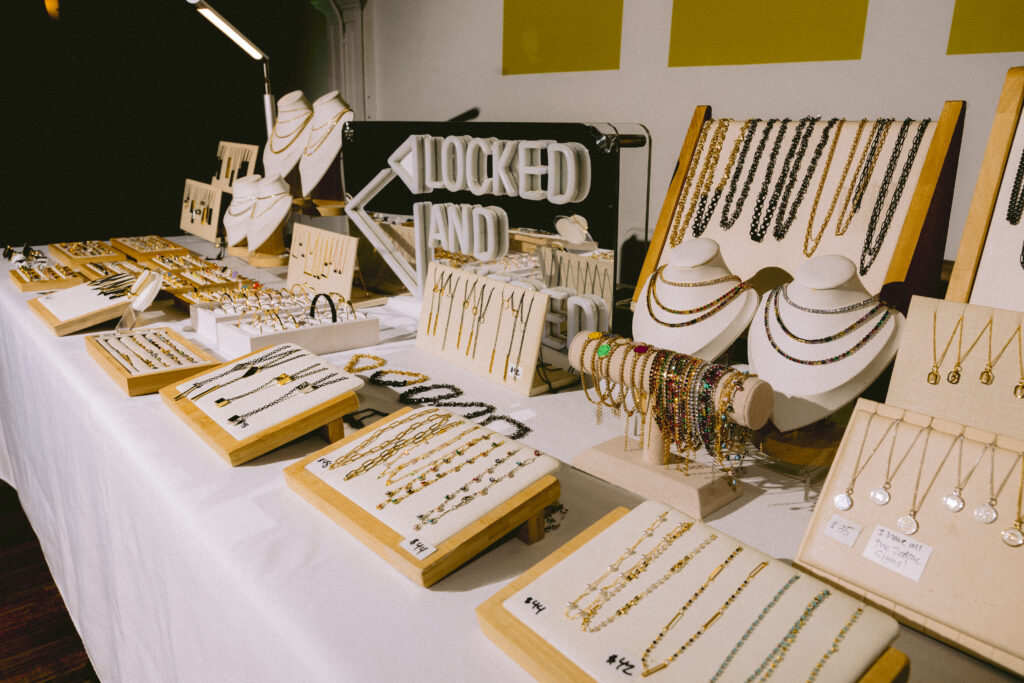
If the flow feels confusing in motion — guests bunching up, unclear where to go, dead zones — it photographs that way too. Messy energy reads as messy on camera.
The exit moment is the most underrated touchpoint. A memorable takeaway, a final branded detail, or just a well-lit corner near the door gives guests one last reason to pull their phone out on the way out.
At Le Loft, the two sides — separated by barn doors — give you a natural tool for this. East Side for the focused or formal moment. West Side for the social hour. Opening the barn doors is a physical signal that the room has shifted modes, and guests feel it immediately.
FAQ’s
What actually makes a brand event photograph well?
Strong lighting, clean sightlines, and two or three intentional visual moments do more than over-decorating every surface. Less chaos means more visual focus — and better photos.
How do I make a brand event feel elevated without a massive budget?
Start with a venue that has built-in character. You’re working with the space instead of fighting a generic room, so your dollars go toward accents instead of transformation. Layer in a clear visual direction, strong food and drink presentation, and guest flow that feels considered.
Are loft spaces good for Chicago brand events?
Yes — especially for creative, media, and lifestyle brands. Loft venues feel flexible and stylish without the corporate feel of hotel ballrooms. They photograph better, too, because of natural light and genuine architectural character.
Does Le Loft work for launch parties and influencer events?
Absolutely. Le Loft is a natural fit for brand activations that need strong design potential and flexible flow — launch parties, media previews, client mixers, creative workshops, and influencer gatherings all work well here. Reach out to discuss what your event needs.
Le Loft Chicago · Wicker Park
Thinking about hosting an event at Le Loft?
4,800 sq ft of converted factory space in Logan Square / Wicker Park. Flexible pricing, open catering, BYOB, and no boring conference rooms.